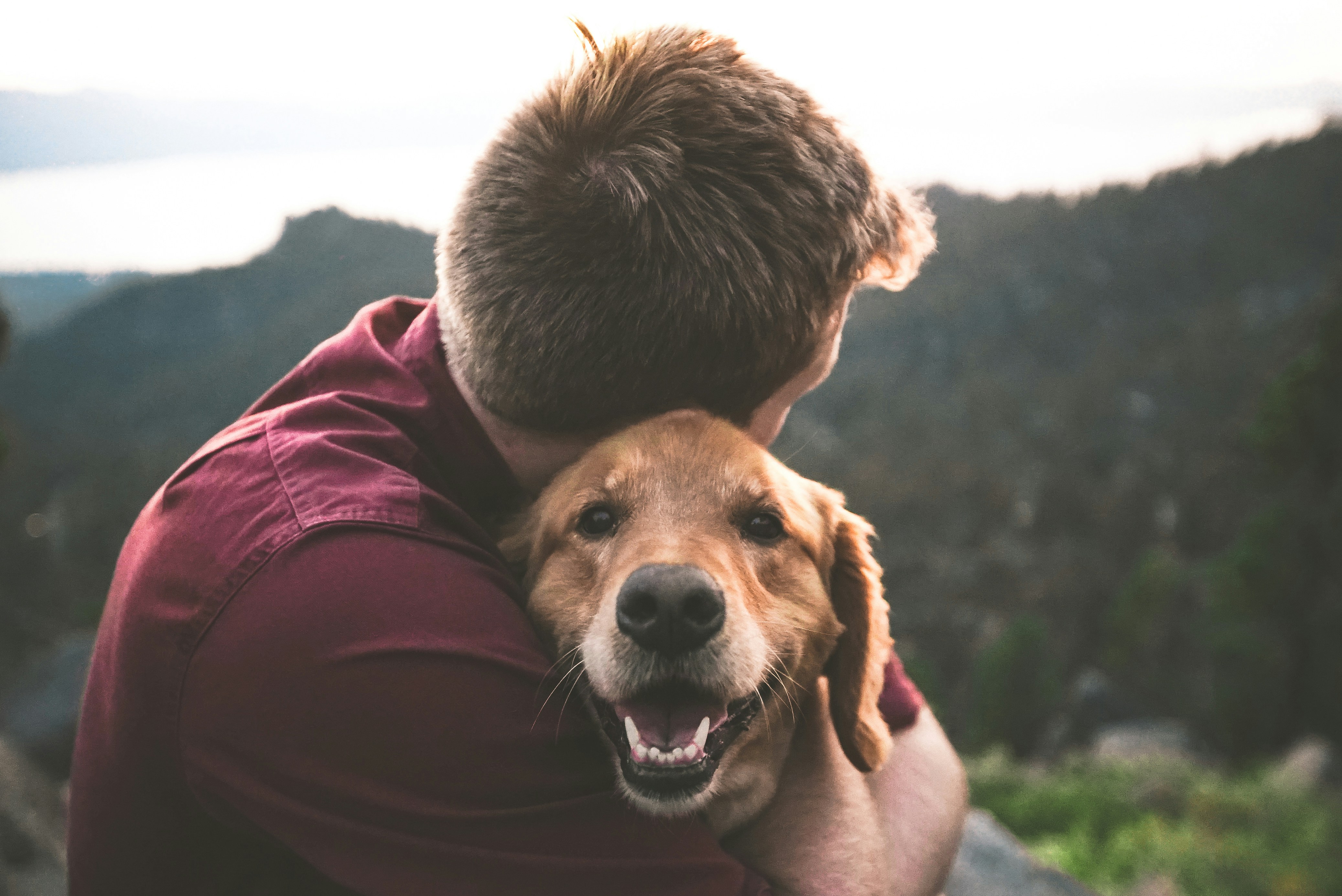
I was on the other side of this once.
Before Wagging Bond, I was a dog parent who loved my dog and had no idea how to help her. This is the story of how that changed, and why I do this now.
The beginning
I rescued a dog who was afraid of the world.
I brought home a dog with fear-based reactivity and gave her a second chance. I thought love and the things I already knew about raising dogs would be enough. They weren't. Everything in my toolkit treated the behavior on the surface, the lunging, the barking, the bracing, and none of it touched the fear underneath that was driving all of it. We weren't making progress. I started to wonder if I was failing her, or if she was simply beyond reach. If you have ever felt that quiet worry about your own dog, I know exactly where you are, because I have stood there.
The turning point
Then I found someone who could see what I couldn't.
What changed everything was finding a local trainer skilled in a relationship-first approach to behavior. Instead of managing my dog's reactions, she taught me how to understand them, and how to help my dog feel safe enough that the fear no longer ran the show. Slowly, the dog I had hoped for came back to me. The walks got enjoyable. The lunging eased, the barking quieted, the bracing fell away. We found our way back to each other. For the first time, I wasn't just containing her problems. I was helping her become the best version of herself.
Going deeper
Helping her wasn't enough. I needed to understand why it worked.
Watching my dog come back to herself left me with a question I couldn't put down: why did this approach succeed where everything else had failed? That question sent me looking for the people who could answer it.
The science of how dogs actually learn.
I went to the source, studying Relationship Based Behavior Modification with the Canine Human Relationship Institute, the people who teach the very approach my trainer had used. There, and across a long stretch of my own study, I went deep into the neuroscience of behavior. That was where I found my answer: the relationship-first approach works not because it's gentle for its own sake, but because of how a dog's brain actually forms habits and processes fear.
Dogs in the wild don't need training.
Dogs living on their own terms do just fine without us. Our dogs don't have that life. They live in our world, full of leashes, doorbells, houseguests, and strange dogs met head-on at the end of a leash, none of it instinctive to them. My certification through the Family Dog Mediation Center trained me to see the whole dog inside that gap: their instincts and breed, the environment we ask them to live in, what they've learned so far, and who they are as individuals. Studying how free-roaming dogs live in the wild, untrained and unmanaged, taught me how dogs really are before our world shapes them.
The moment everything shifted
Then a few words changed everything.
While I was deep in my training, one of the rescue organizers I worked alongside said something that stayed with me. She told me how badly the world needs people who can do this work, people who can actually help the rescues no one else can reach, and the dog parents quietly struggling at home the way I once had. Until that moment, I had been learning all of this for my dog, and for myself. Her words gave it a bigger purpose.
Putting it to work
So I started with the dogs who needed it most.
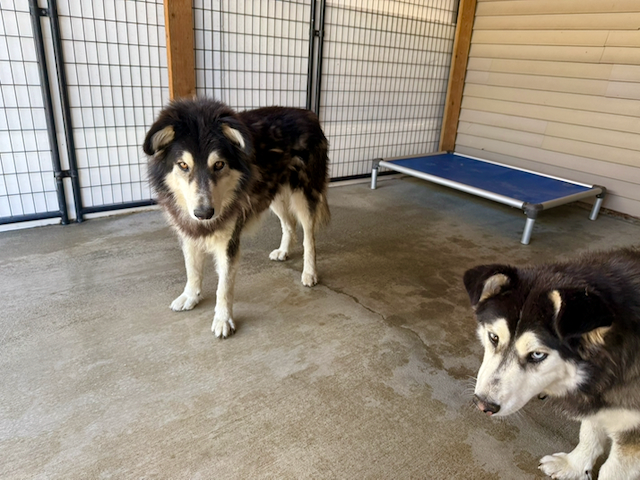
I began training rescue dogs, the fearful ones, the reactive ones, the ones who had been labeled unadoptable. It asked everything of me, but it was where I could make a real, lasting difference. Every difficult case taught me something new, showing me where theory met the reality at the end of the leash. This work turned everything I had studied into something I could do reliably, for the dogs, and the families who would love them. Watching life after life change for the better, it became clear to me that helping dogs was to be my Personal Legend.
That's why Wagging Bond exists.
Wagging Bond is how I do that work now. Everything that journey gave me, the knowledge, the patience, the experience of working with dogs of every difficulty, is what we bring to every family we work with. We meet you and your dog exactly where you are, with no judgment, because we know what it's like to be there. We look at your whole dog to build a plan specifically for them, using only force-free, relationship-first methods, never fear or punishment. You don't have to become a dog trainer to get your best friend back. You just need the right guide, the same way I did.
Where we start
Every journey starts with a single step.
This is where it starts for you: a single in-home visit, no pressure, no judgment. We'll come to you, get to know your dog, and show you the path forward.
Book Your Consultation